

陰翳録 第十六灯『わたつみ・後』

前の灯で、私は、風に名を付けた人々の話をしました。 同じ人々が、海にも、そうしていたのです。
穏やかに凪いだ海。荒れ狂う時化の海。寄せては返す、あの絶え間ない音を、潮騒と呼びました。 夏の土用のころ、まだ空は晴れているのに、遠い南の嵐が押し送ってくる、あの不気味に大きなうねりには、土用波という名がある。 ひとつの水に、これほどの名を与えたのは、風のときと同じ理由でしょう。 ひとくくりに「海」では、足りなかった。それは、見分けねば、命に関わったからです。
けれど、海には、風にはなかった、もう一段、不思議な名づけが残されています。
昔の人は、海を指すのに、「うみ」とも「うなばら」とも言いました。 けれど、それとは別に、「わた」という、たいそう古い言葉も持っていた。そして、この二つは、どうやら、同じ海を、違う目で見ている言葉だったらしいのです。
事典には、こうあります。
「うみ」「うなばら」が、自然としての海を想起させるのに対し、「わた」は、霊的なもののすみかとしての海を意味するようだ、と。
わたつみの語義に拠る。コトバンク所収の平凡社『世界大百科事典』 https://kotobank.jp/word/%E5%A4%A7%E7%B6%BF%E6%B4%A5%E8%A6%8B%E7%A5%9E-1061668 、および精選版『日本国語大辞典』
https://kotobank.jp/word/%E3%82%8F%E3%81%9F%E3%81%A4%E3%81%BF-2094212 を参照
その「わた」に、「つ」――これは「の」にあたる古い助詞です―そして「み」、すなわち神霊を意味する語をつないで、「わたつみ」。海の、神霊。
これが、この一語の中身です(同上)。
私は、ここに、深く感じ入りました。
目の前にあるのは、ただの、大量の水です。
それを、人は「うみ」とも呼べた。実際、そう呼んでもいた。
それなのに、わざわざ、もう一つ、神の名を持つ呼び方を用意した。―なぜでしょう。
思うに、「うみ」では、収まらなかったのです。
海は、魚を与え、船を運び、涼しい風を寄越します。
けれど、同じ海が、ある日、船を砕き、家を呑み、人を連れ去っていく。
しかも、その気まぐれには、こちらの都合も、善悪も、いっさい関わりがない。
祈っても、恨んでも、海は、ただ、寄せては返すだけです。
人の力では、どうにもならない。理屈でも、押さえられない。それでいて、毎日、そのそばで暮らし、その恵みで、生きていかねばならない。
そういうものと、折り合いをつけるには、「水」として見ているだけでは、足りなかったのでしょう。
相手を、意思を持つものとして、神として、遇するほかなかった。
神ならば、敬うことができる。畏れることができる。機嫌を伺い、供物を捧げ、無事を祈ることが、できる。―名を与えるとは、そういうことなのだろうと思います。
第十四灯で、私は、名とは、得体の知れないものに付ける取っ手だ、と書きました。
海に与えられた「わたつみ」という名は、その、いちばん大きな取っ手だったのだと思います。
そして、面白いのは、この神の名が、そのまま、日常の海の呼び名になっていることです。
万葉集には、「渡津海(わたつみ)の豊旗雲に入日さし」と詠まれた歌があります。
※ここでの「わたつみ」は、神ではなく、目の前に広がる、ただの海(前掲の辞典による)。 神と呼びながら、その同じ言葉で、夕日の映る海原を、うっとり眺めている。
畏れと、親しみとが、一語のなかで、なんの矛盾もなく、同居しているのです。
私は、この感じを、不思議だと思います。
さて、その「畏れ」が、いまも、私たちの暮らしに、かたちを変えて残っています。
「お盆を過ぎたら、海に入るな」。聞いたことが、おありでしょう。 海に引き込まれる、足を引っ張られる、といった言い方で伝わっている土地もあります。
けれど、その戒めの下に敷かれているのは、まぎれもない、現実の危険です。
たとえば、離岸流。
岸から沖へ向かって、まっすぐ流れ出す海水の流れで、海上保安庁の解説によれば、その速さは、毎秒二メートルに達することがある。
これは、オリンピックの自由形の金メダリストが泳ぐ速さと、ほぼ同じだといいます。
幅は、わずか十から三十メートルほどしかないのに、沖へは、数十から数百メートルにも及ぶ。しかも、海岸線のどこででも起こりうる。 離岸流に拠る。第一管区海上保安本部海洋情報部の解説を参照 https://www1.kaiho.mlit.go.jp/KAN1/marire/riganryu/riganryu_img.html 岸に向かって必死に泳いでいるつもりで、沖へ沖へと運ばれていく。 金メダリストの速さの流れに、逆らって泳げる人は、そうはいません。
―足を、引っ張られる。まさに、そう感じるでしょう。
このほか、この時期には、遠い台風が押し送る土用波が高くなり、クラゲも増えます。
つまり「盆を過ぎたら海に入るな」は、伝承の衣をまとった、実に正確な警告だったのです。
ここで、私が、感心するのは、その伝え方です。
「この時期は、離岸流の発生する条件が整いやすく、遊泳には十分な注意が必要です」―正しい。
まったく正しいのですが、これを聞いて、海をやめるでしょうか。素直にうなずくでしょうか。おそらく、「まあ、大丈夫だろう」と言って、入っていく人もいます。
ところが、「引かれるぞ」と言えば、届く人もいる。
第十一灯で、私は、洪水の戒めを天狗の物語に包んだ、昔の人の知恵について書きました。あれと、まったく同じ手つきです。目に見えない危険に、「引く者がいる」という、目に見える姿を与える。海の底知れなさに、「わたつみ」という神の名を与えたのと、根は、一つです。
人は、名と、物語という取っ手を付けることで、はじめて、恐ろしいものを、子や孫に手渡せるかたちに、変えることができた。
もっとも、名を与えたからといって、人が、海を分かったわけでは、ありません。
わたつみと呼び、供物を捧げ、祭りを続けても、海は、少しも従いません。
今日も、こちらの都合など、おかまいなしに、寄せては返している。
名を付けるというのは、支配することではなく、相手が、どうにもならないほど大きい、と認めることにもなるのでしょう。
分からないものを、分からないまま、それでも扱えるようにするための、人の、精いっぱいの工夫だったのです。
さて、私はといえば、相変わらず、水は、ごめんです。
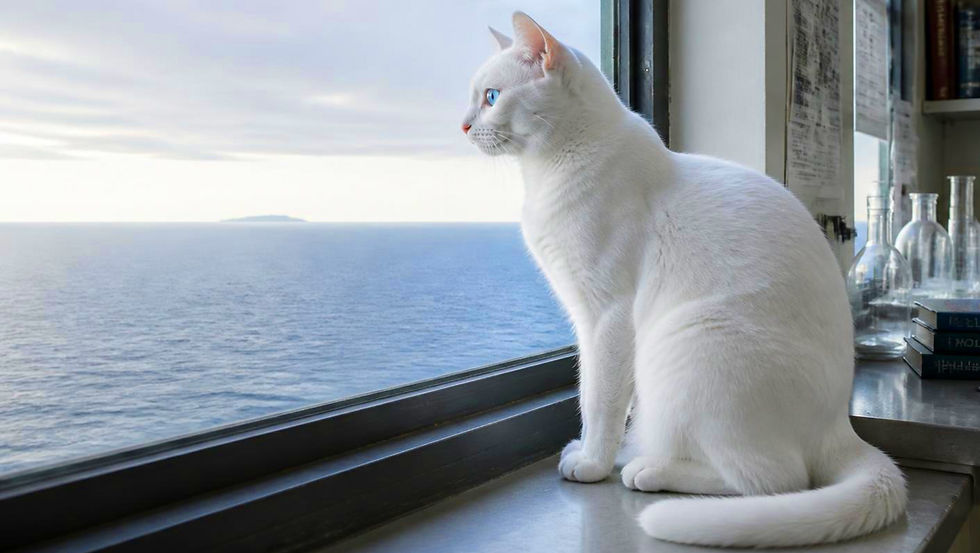
けれど、窓の向こうで、あの大きな水が、勝手に動いているのを眺めていると、昔の人が、あれを、ただの「うみ」と呼びきれなかった気持ちは、なんとなく、分かる気がするのです。
巨大なものに、毎日、船を出していく。機嫌を、読もうとする。 ―そういう、途方もない相手と向き合ってきた人々が、せめて、名を呼ぶことで、少しでも近づこうとした。 その、思いものが、「わたつみ」という、四文字の響きの中には、まだ、残っているように思います。
もっとも、私は、名を呼ぶ気も、近づく気も、ございません。
濡れるのは、まっぴらですから。
それでは、また、次の灯で。
――白社長
EN/Title
In'eiroku, Fifteenth Light:Watatsumi — Part Two In the last light, I told of the people who named the wind. Those same people were doing the very same thing with the sea.
The sea gently becalmed. The sea raging in a storm. That ceaseless sound of drawing in and drawing back, they called shiosai, the roar of the tide. And around the height of summer, when the sky is still clear yet a distant southern tempest sends its swell pressing forward, that eerily great heaving has a name too: doyō waves. That they gave a single body of water so many names is, surely, for the same reason as with the wind. Lumped together as "the sea," it was not enough. Because unless they could tell one from another, their lives were at stake.
But the sea holds one further layer of curious naming, which the wind did not have.
The people of old said both umi and unabara to mean the sea. Yet apart from these, they also possessed a very ancient word: wata. And these two, it seems, were words that looked upon the same sea with different eyes.
The encyclopedia says this: whereas umi and unabara call to mind the sea as nature, wata appears to mean the sea as the dwelling place of something spiritual (based on the sense of watatsumi. See Heibonsha's Sekai Daihyakka Jiten via Kotobank, https://kotobank.jp/word/%E5%A4%A7%E7%B6%BF%E6%B4%A5%E8%A6%8B%E7%A5%9E-1061668 , and the Nihon Kokugo Daijiten, Selected Edition, https://kotobank.jp/word/%E3%82%8F%E3%81%9F%E3%81%A4%E3%81%BF-2094212 ).
To that wata, join tsu — an old particle equivalent to "of" — and then mi, the word meaning divine spirit, and you have watatsumi. The divine spirit of the sea. This is what the single word contains (same source).
Here, I was deeply moved.
What lies before us is merely a great deal of water. People could have called it umi. In fact, they did. And yet they deliberately prepared another way of calling it — one bearing the name of a god. Why?
I suspect umi simply could not contain it.
The sea gives fish, carries boats, sends cool winds. But that same sea, one day, smashes the boat, swallows the house, and carries people away. And in that caprice, our convenience and our notions of good and evil play no part whatsoever. Pray to it, resent it — the sea only draws in and draws back. Human strength cannot manage it. Reason cannot restrain it. And still, one must live beside it every day, and live off its blessings.
To come to terms with such a thing, seeing it merely as "water" was not enough. There was no choice but to treat the other party as something possessed of will — as a god. If it is a god, one can revere it. One can hold it in awe. One can watch for its moods, offer it tribute, and pray for safe passage. — To give a name, I think, is that sort of act.
In the Fourteenth Light, I wrote that a name is a handle affixed to something unfathomable. The name watatsumi, given to the sea, was, I believe, the largest such handle of all.
And what is fascinating is that this name of a god became, just as it was, the everyday word for the sea. In the Man'yōshū there is a poem that sings of the setting sun casting its light upon the great banner-clouds over the watatsumi. Here, watatsumi is not a god, but simply the sea spreading out before one's eyes (per the dictionaries cited above). Calling it a god, and with that very same word, gazing enraptured at an expanse of sea lit by the evening sun. Awe and affection dwell together within one word, with no contradiction at all. I find this rather wondrous.
Now, that "awe" still remains in our lives today, in altered form.
"Once Obon has passed, do not go into the sea." You will have heard it. In some regions it is handed down with phrasings like being pulled into the sea, or having one's legs dragged down.
But what is laid beneath that admonition is unmistakably real danger.
Take the rip current. It is a flow of seawater running straight out from the shore toward the open sea, and according to the Japan Coast Guard's explanation, its speed can reach two meters per second. That is roughly the same speed at which an Olympic freestyle gold medalist swims. Though its width is a mere ten to thirty meters, it extends dozens to hundreds of meters out to sea. And it can occur anywhere along a coastline (based on rip currents. See the explanation by the Hydrographic and Oceanographic Department of the 1st Regional Coast Guard Headquarters, https://www1.kaiho.mlit.go.jp/KAN1/marire/riganryu/riganryu_img.html ). You believe you are swimming desperately toward shore, and you are carried farther and farther out. There are not many who can swim against a current moving at a gold medalist's speed.
— Your legs, dragged down. That is exactly how it would feel.
Besides this, in that season the doyō waves pushed along by distant typhoons run high, and jellyfish increase as well. In other words, "once Obon has passed, do not go into the sea" was, clothed in the garment of folklore, an exceedingly accurate warning.
What impresses me here is the manner of the telling.
"In this season, conditions favoring rip currents readily align; ample caution is required when swimming." — Correct. Entirely correct. But upon hearing it, will people give up the sea? Will they nod obediently? Most likely, some will say, "Ah, it'll be fine," and go in anyway.
But say "You'll be dragged under," and it reaches some of them.
In the Eleventh Light, I wrote of the wisdom of the people of old, who wrapped a warning about floods in a tale of a tengu. This is exactly the same handiwork. To an invisible danger, they gave a visible figure: "there is something that pulls." It is one and the same, at the root, as giving the name watatsumi to the unfathomableness of the sea. Only by affixing handles — a name, and a story — could people transform something fearful into a shape that can be handed on to their children and grandchildren.
That said, giving a name did not mean that people had understood the sea.
Call it watatsumi, offer it tribute, continue the festivals — the sea does not obey in the slightest. Today as well, it draws in and draws back, with no regard for our convenience. To give a name is not to rule, but perhaps also to acknowledge that the other is too vast to be managed at all. It was people's utmost contrivance for making the incomprehensible, while still incomprehensible, something they could nevertheless handle.
As for me, water remains, as ever, out of the question.
But watching that great water beyond the window move as it pleases, I feel I can somehow understand how the people of old could not bring themselves to call it merely umi. To put out a boat, every day, onto something immense. To try to read its moods. — Those who faced so preposterous a counterpart, and who at least tried to draw a little nearer by calling its name. Something of that feeling still remains, I think, in the sound of those four syllables: wa-ta-tsu-mi.
Though I have no intention of calling its name, nor of drawing near.
Getting wet is out of the question, after all.
Until the next light, then.
— President Snowlion


コメント